
Sex in a polluted world
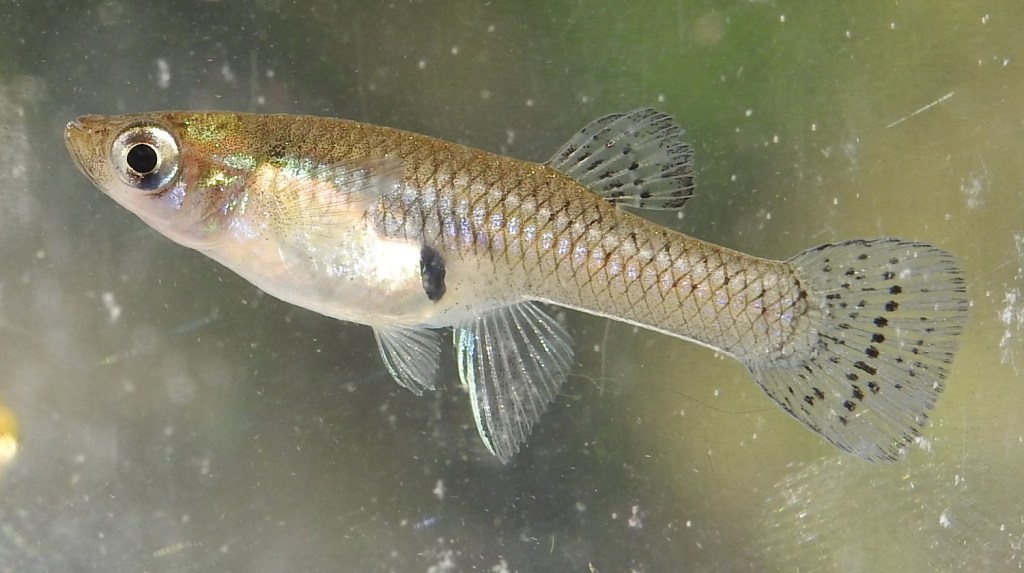
In collaboration with Professor Bob Wong at the School of Biological Sciences, Monash University, we aim to understand the chronic exposure effect of a steroid-mimicking hormone on the mechanisms of sexual selection and immunosuppression in eastern mosquitofish.
In the meantime, we are also investigating how multigenerational exposure to pharmaceutical pollutants affects the association between behavioural variation, life-history, and reproductive traits in guppies (Poecilia reticulata). See publications 13, 16, and 17.
Do early-life environment and senescence affect reproductive investment?

Read more about our research hypothesis and study protocol here. The wait is over, watch this space for publication 19!
Does size matter?
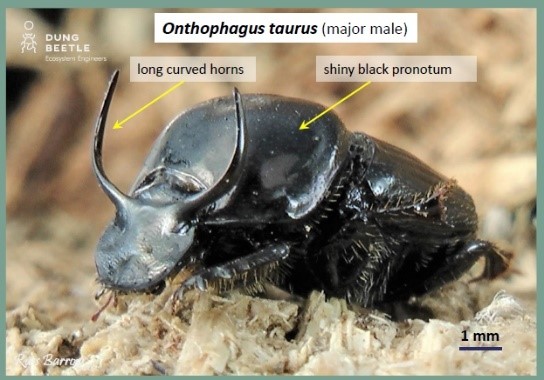
This is an international collaborative project where we test the effect of sexual selection on the evolution of male genital size. Guess our study species! The wait is almost over, look out for publication 20!
Does paternal age matter?
A systematic review and meta-analysis testing the effect of paternal age on offspring survival, lifespan and development in wild animals. Read more about the research question and protocol here.
Published research
Do sexes differ in behaviour and cognition in a polluted environment?
Fluoxetine, an active ingredient of Prozac, is present in freshwater systems across the globe as a pharmaceutical contaminant. We studied the effect of fluoxetine on aquatic species’ behavioural variability as it has been poorly understood. We found that male guppies become more similar to each other after exposure to fluoxetine, and females become less flexible in their behaviour.
In a recent study, we also found a sex-specific legacy effect of long-term fluoxetine (Prozac) exposure on guppies: females showed reduced inhibitory control, while males showed dose-dependent changes in cognition and boldness.
These sex-specific differences in response to fluoxetine can impact animal ability to survive in a changing world. See publications 13 and 17.
Does male age matter?
From 2018 to 2021, I did my PhD at the Research School of Biology, Australian National University with Professor Michael Jennions and Dr Megan Head. My research here primarily focused on the effect of male age and mating history on reproductive success and offspring fitness using Gambusia holbrooki (eastern mosquitofish) as a model system.
I explored the effects of mating history on male age and how it affects their reproductive success and, subsequently, intergenerational transfer of ageing using Gambusia holbrooki (eastern mosquitofish) as a model system. First, I tested for paternal mating history effects on offspring fitness to show that mating history itself affects cross-generational, sex-specific offspring traits. In the next four chapters, I generated variation in the mating history of young and old males to disentangle the effect of male age and mating history on traits under pre-copulatory and post-copulatory sexual selection, paternity success, and, finally, offspring traits. Taken together, I provide convincing evidence (publications: 3, 5, 7, 8, 9) that confounding effects such as mating history can largely shape the attributed effect of male age on traits under sexual selection that has been described across the tree of life.
If you have leftover popcorn and want to learn more about what I found during my PhD, here is a recording of my PhD exit seminar –> where I gave a LONGER talk. You will see this was an emotional experience and a huge milestone for me!
Don’t you know that you’re toxic?

In 2015-2016, I did an MS research on the project ‘Synchronization of coincidences of Pachliopta aristolochiae butterfly in relation to its host plant Arsitolochia indica‘ at the Department of Zoology, University of Dhaka supervised by Professor M A Bashar and Professor Zakir Sultan. Here, I investigated the phenology and life stages of this aposematic butterfly and its host plant and found an association between the butterfly’s new generation arrival and the host plant’s growth rate. I also isolated some chemical derivatives of Aristolochic acids from the host plants that are responsible for the unpalatability of this toxic butterfly.
Collaborations
Equity in scientific awards: An international collaboration with Dr Malgorzata Lagisz where we discuss that the journal and society awards in ecoevo have much room for improvement in equity, assessment transparency, and consideration of differences in access to opportunities and resources among young researchers. Read the article here.
Read the follow-up project protocol here.
Stress in the city: a fun meta-analysis led by Dr Maider Iglesias-Carrasco where we found no overall evidence for stress in urban vertebrates. Wait, what?! Read more about it here.
Butterflies in the city: This was done during my early fieldwork days with Dr Shawan Chowdhury. We found that three urban green parks in Dhaka harbour almost 45% (137 of the 305 species) of butterflies in Bangladesh.
Other fun stuff
Oh, and in 2016-2017, I briefly volunteered for a turtle conservation program in Cox’s Bazar–Teknaf Marine Drive! Turtles are adorable: check out the cool paper here. Fun fact: did you know that Cox’s Bazar in Bangladesh is the longest uninterrupted natural sea beach in the world! See, you just learnt something new. Thanks for scrolling down! 😀
 Upama Aich